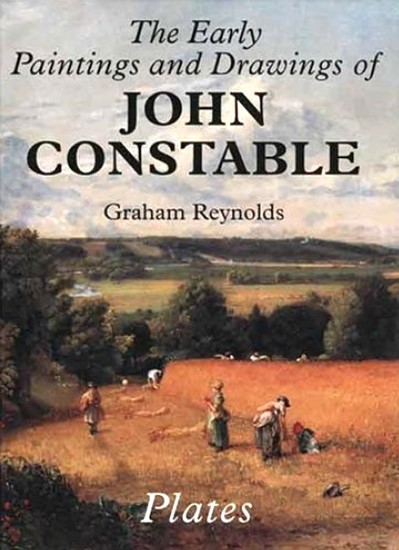
A catalogue raisonné is the complete, critically compiled record of an artist’s body of work, and it shapes reputation more than any single exhibition or sale. Its authority grows slowly, through decades of scholarship, and its verdicts on inclusion or omission can raise a painting from obscurity to masterpiece or cast doubt on a long-accepted treasure.
What It Is and How One Is Compiled
The term comes from French and means “reasoned catalogue”: not a simple inventory, but a work in which every entry is justified by evidence. A true catalogue raisonné records each work’s title, date, medium, dimensions, provenance, exhibition history, literature, and current location, and it separates authentic works from copies, variants, and fakes.
Compilation is slow by nature. The Christian Zervos catalogue of Picasso’s work took decades and ran to thirty-three volumes. The Rembrandt Research Project, begun in 1968, spent years reattributing paintings that had been accepted for centuries. Researchers travel to private collections, study old photographs, compare brushwork and materials, and often wait for works to surface at auction or in estates. A single entry can require months of cross-checking, and the whole project may outlive its founder.
Why Inclusion or Omission Changes Regard
The catalogue raisonné is the reference that museums, auction houses, and scholars consult first. When a work enters it, the work gains a kind of permanent passport; when it is left out, or moved to a rejected section, its standing collapses even if nothing physical has changed.
Works once attributed to Rembrandt were reclassified as school pieces, and their market and museum value shifted accordingly. Conversely, a painting long dismissed as a copy can be reinstated after technical analysis, and its reputation rises with the entry. The catalogue does not merely describe taste; it constructs the canon that later taste depends on.
Scholarship Versus a Certificate
A catalogue entry is not the same as a certificate of authenticity, though the two are often confused. A certificate is a document issued by an expert, dealer, or estate, and it can be bought, withdrawn, or contradicted. It answers a commercial question: is this object what it claims to be.
Scholarship answers a historical one. It places the work in a sequence, compares it with related works, and explains the reasoning in print, where other scholars can challenge it. A certificate can be revoked quietly; a catalogue entry, once published and reviewed, becomes part of the public record and is harder to erase. The best catalogues are edited by committees rather than single authorities, which makes them more durable but also slower.
The Limits – Unfinished Catalogues, Disputed Entries, Living Artists
No catalogue raisonné is final. Many remain incomplete, especially for artists with large outputs or scattered estates. Entries can be disputed for decades, and new technical methods – infrared reflectography, dendrochronology, pigment analysis – regularly reopen cases that seemed settled.
Living artists present a special difficulty. Their catalogues cannot be closed while new work continues, and authentication during an artist’s lifetime risks disputes that courts later have to settle. The estate of Andy Warhol faced prolonged litigation over authentication, which showed how fragile even well-funded efforts can be. A catalogue in progress is a living document, and readers must treat its provisional entries with appropriate caution.
Why Patrons Who Fund Such Scholarship Matter More Than Most Buyers
Compiling a catalogue raisonné is expensive, unglamorous, and slow. It requires travel, archival research, imaging, and years of expert time, and it produces no object that can be hung on a wall. Private collectors rarely fund it, because the benefit is shared and delayed.
Patrons who do fund this work – foundations, estates, and collectors who endow scholarship rather than acquire trophies – shape an artist’s legacy more durably than most buyers. A purchased painting enters one collection; a completed catalogue enters every museum, library, and auction catalogue in the world. The buyer owns an object; the patron helps define which objects count at all.
– A catalogue raisonné records provenance, literature, and exhibition history for every work. – Inclusion or omission can raise or lower a work’s standing without any physical change. – Scholarship differs from a certificate: it is public, reasoned, and open to challenge. – Unfinished catalogues and disputed entries are normal, especially for living artists. – Funding such scholarship is a more lasting contribution than buying individual works.
The lesson is simple. Markets move prices; catalogues move memory. The collector who funds the slow, unglamorous work of documentation is not buying prestige but building the framework on which all later prestige rests.