When Blade Runner opened in 1982, it was a disappointment at the box office and divided critics. Over the following decades it became one of the most influential films ever made, the reference point for how the future looks on screen. That afterlife turned a commercial miss into a cultural asset, and assets are expected to work.
On 25 November Prime Video released Blade Runner 2099, an eight-part limited series that continues the story eighty years after the original film. Its path to the screen says a good deal about what it now costs to revive a cult world.
A long road to Prague
Ridley Scott announced the project in November 2021 and remains an executive producer, alongside Andrew A. Kosove and Broderick Johnson, who produced Blade Runner 2049. The showrunner is Silka Luisa.
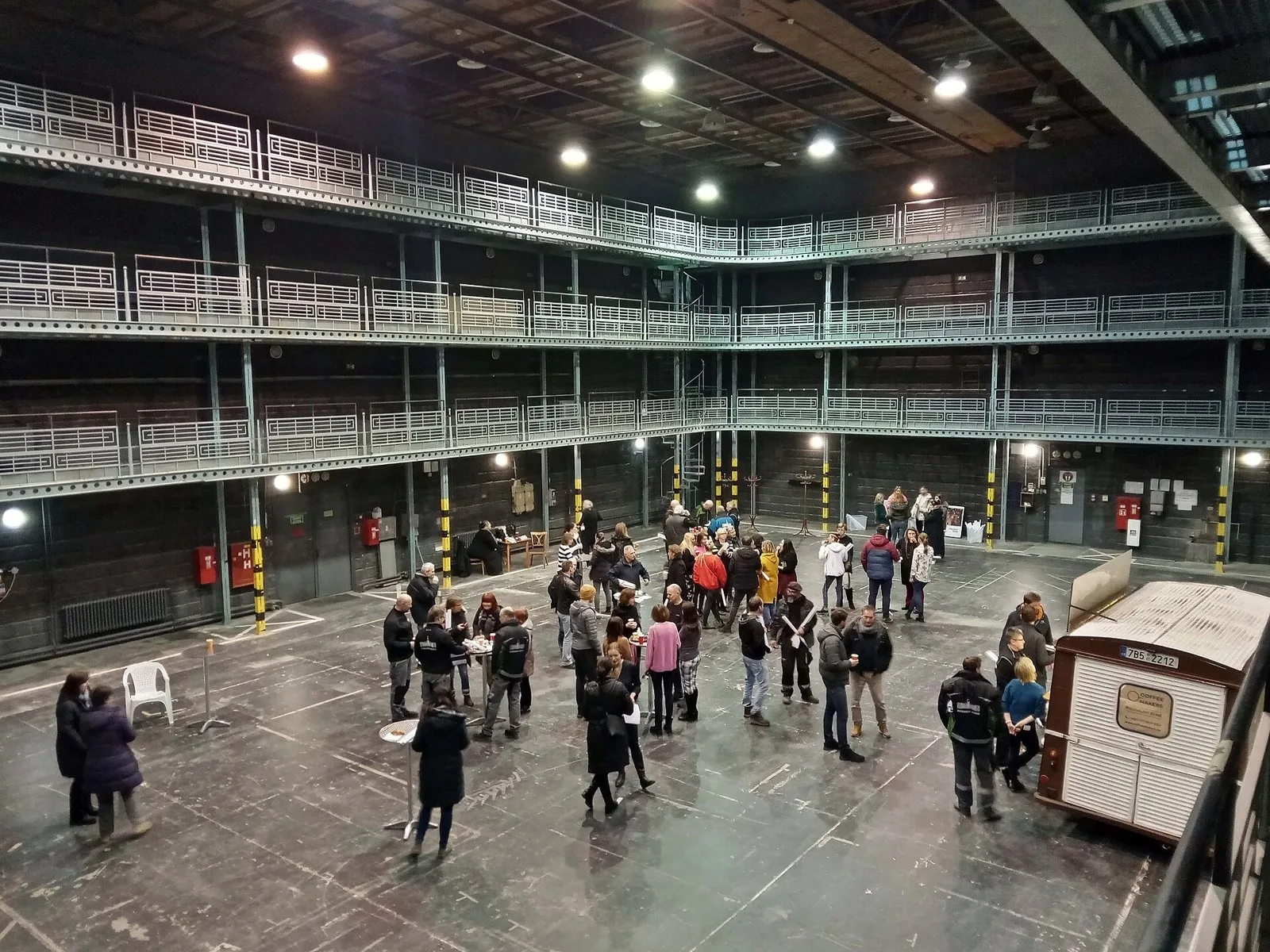
The series was preparing to shoot in Belfast when the 2023 writers’ strike stopped production. It left Northern Ireland that autumn and returned public funding it had received there. Filming finally began in Prague in June 2024, mainly at Barrandov Studios, with additional work in Barcelona, and wrapped at the end of that year. Michelle Yeoh and Hunter Schafer lead the cast.
One season, by design
Unusually for a streaming franchise, 2099 has been presented as a single, finished story with no second season planned. Its showrunner has said the eight episodes are meant to feel more like a film than a series.
That choice protects the world as much as it limits the show. A cult classic keeps its value partly through scarcity. Two feature films in thirty-five years made each return feel like an event. An endless series would have turned the same world into routine.
What the audience decides
Early reception has been respectful. The series holds a 70 per cent positive rating from 63 critics on Rotten Tomatoes and a Metacritic score of 65. Reviewers praise the cast and the images, and several question whether the story justifies eight hours.
For collectors of culture, the lesson is a familiar one. The original Blade Runner gained its value slowly, through repeated viewing, restorations and new cuts, long after its first release. Whether 2099 joins that canon will be settled the same way: by whether anyone still wants to watch it again in ten years.